What Snacks Are Allowed in Canadian Schools? Nut-Free Rules & Allergy Safety Explained
Find out which snacks Canadian schools allow, why nut-free and allergen-free policies are so important, and get the latest statistics on allergy risk for kids. Kooblan’s guide helps parents pack safe, school-approved snacks every day.
Sonya M
10/6/20252 min read
Packing snacks for school can be confusing for Canadian parents, especially with so many rules around nut and allergen safety. Why do schools insist on nut-free or allergen-free snacks, and what types of foods can your child bring? Here’s what every Canadian parent needs to know—plus the facts behind these important policies.
Why Do Canadian Schools Have Nut-Free and Allergen-Free Policies?
Allergy rates among Canadian children have risen dramatically over the last two decades.
Peanut and tree nut allergies affect about 2–3% of Canadian children—making them among the most common severe food allergies.
Up to 7% of kids have at least one food allergy, with reactions ranging from mild to life-threatening (anaphylaxis).
In many regions, over 90% of primary schools are now nut-free for all snacks and lunches, to help keep classrooms safe.
What Kinds of Snacks Are Allowed at School?
Allowed:
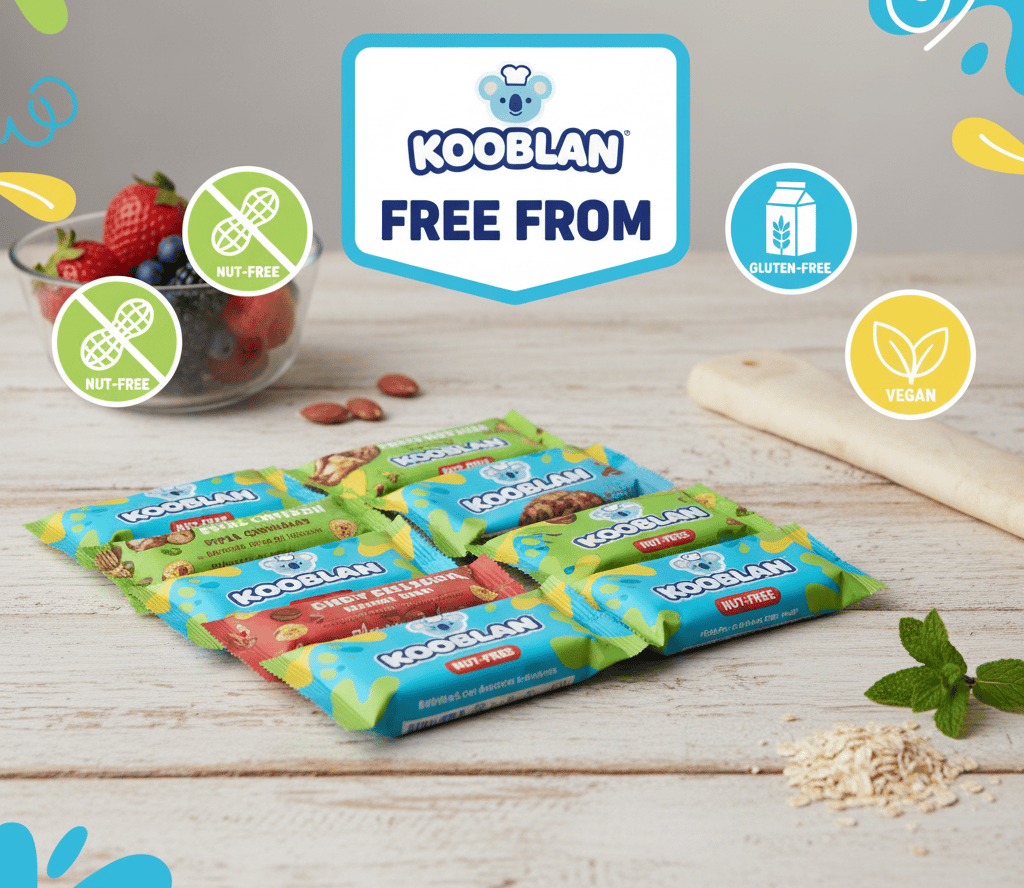
Nut-Free Snack Bars: Must be made in certified nut-free facilities with clear labeling.
Fresh Fruit & Vegetables: Apples, oranges, seedless grapes, carrots, cucumbers.
Yogurt/cheese: Only if your school allows dairy and your child has no allergy.
Whole Grain Products: Crackers, bread, rice cakes—always check for “may contain” warnings.
Allergen-Free Options: Gluten-free, egg-free, soy-free snacks for kids with specific needs.
Not Allowed:
Any product with peanuts, tree nuts, or “may contain” nut warnings.
Homemade snacks if ingredients are unclear or school policy requests only store-packaged goods.
Highly processed or candy snacks (varies by health policy, but schools aim for nutritious choices).
Why Is Nut-Free Snack Safety So Important?
One peanut can trigger a severe, life-threatening reaction in allergic children, even through trace residue.
Nut-free rules reduce accidental exposure in shared spaces—kids eat in crowded classrooms and cafeterias.
Allergen safety helps schools avoid emergencies, protects vulnerable children, and supports parent peace of mind.
Did you know?
Over 90% of anaphylactic reactions at Canadian schools are triggered by nuts and peanuts.
Canadian school boards cite up to 1 in 13 students with a food allergy requiring special attention.
Common Parent Questions
Q: Can I send homemade snacks if they’re nut-free?
A: Many schools prefer labeled, store-bought snacks so ingredients are clear. Always check with your school office before sending homemade items.
Q: What should I do if my child has another allergy?
A: Communicate with teachers and staff, and pack snacks tailored to your child's needs—such as gluten-free or dairy-free options.
Q: Are Kooblan bars safe for school lunches?
A: Yes! Kooblan’s nut-free bars are made for Canadian school policies and are loved by parents and teachers nationwide.
Conclusion
Canadian schools are serious about allergy safety, limiting snacks to nut-free and sometimes fully allergen-free choices. By following these policies, parents protect all kids—especially those with severe allergies—from harm.
Pack safe, delicious nut-free snacks like Kooblan’s bars, and support a safer school environment for every child. Shop now!